
Appearance
Identities
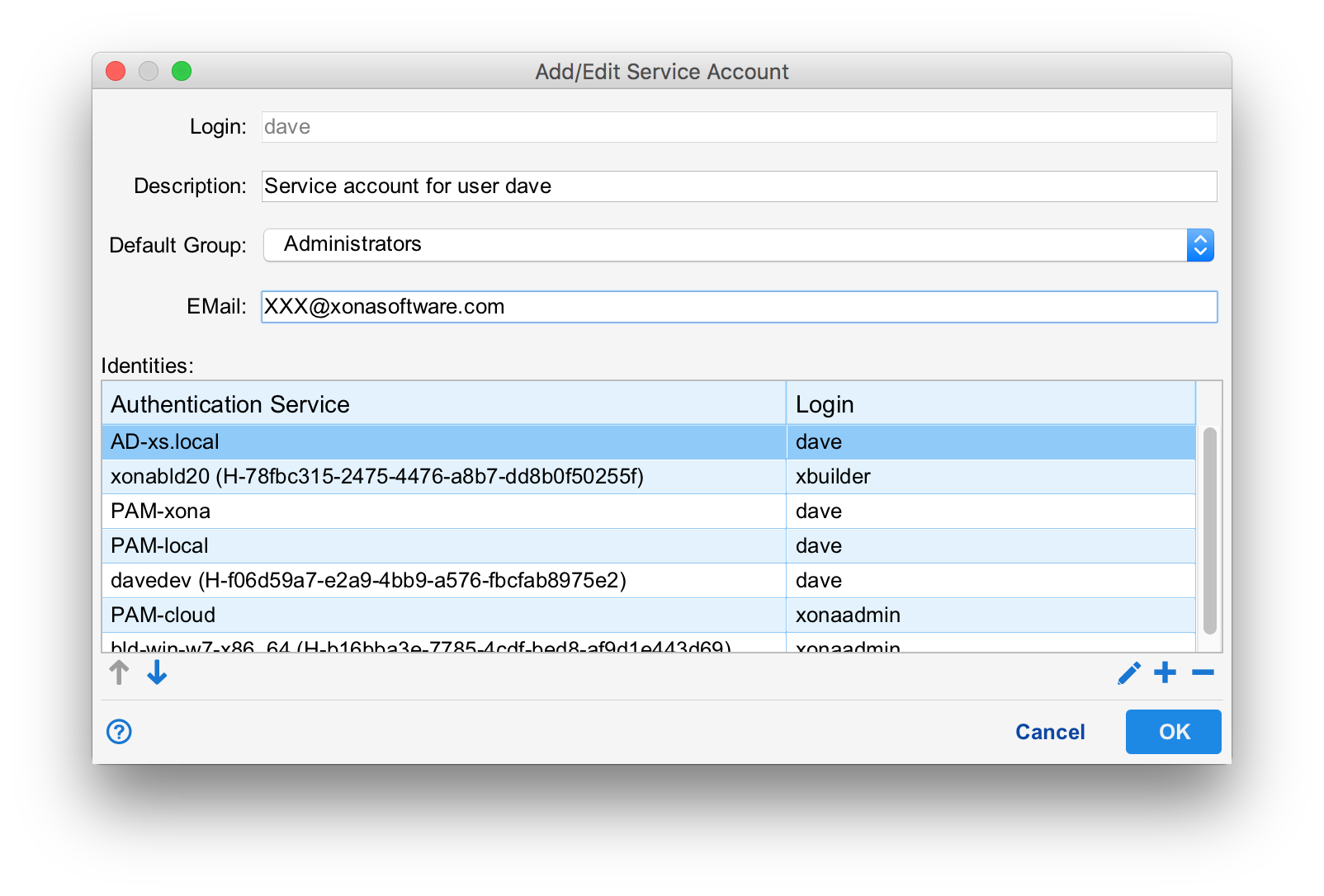
An identity is a set of authentication information that identifies and authenticates a user or some other entity within an authentication service (See authentication services) outside of situate. Examples include an operating system login, an Active Directory domain login, a database login or a web service API key. Each account in Situate has a list of associated identities. Situate workflows use these identities to act on behalf of a user.
Modifying Identities
Identities are modified in the edit window of a service account, and can be added, edited or deleted with the "+", "pencil" or "-" buttons.
The information entered in the dialog box depends on the source of the identity. The following are supported.
Authentication Service
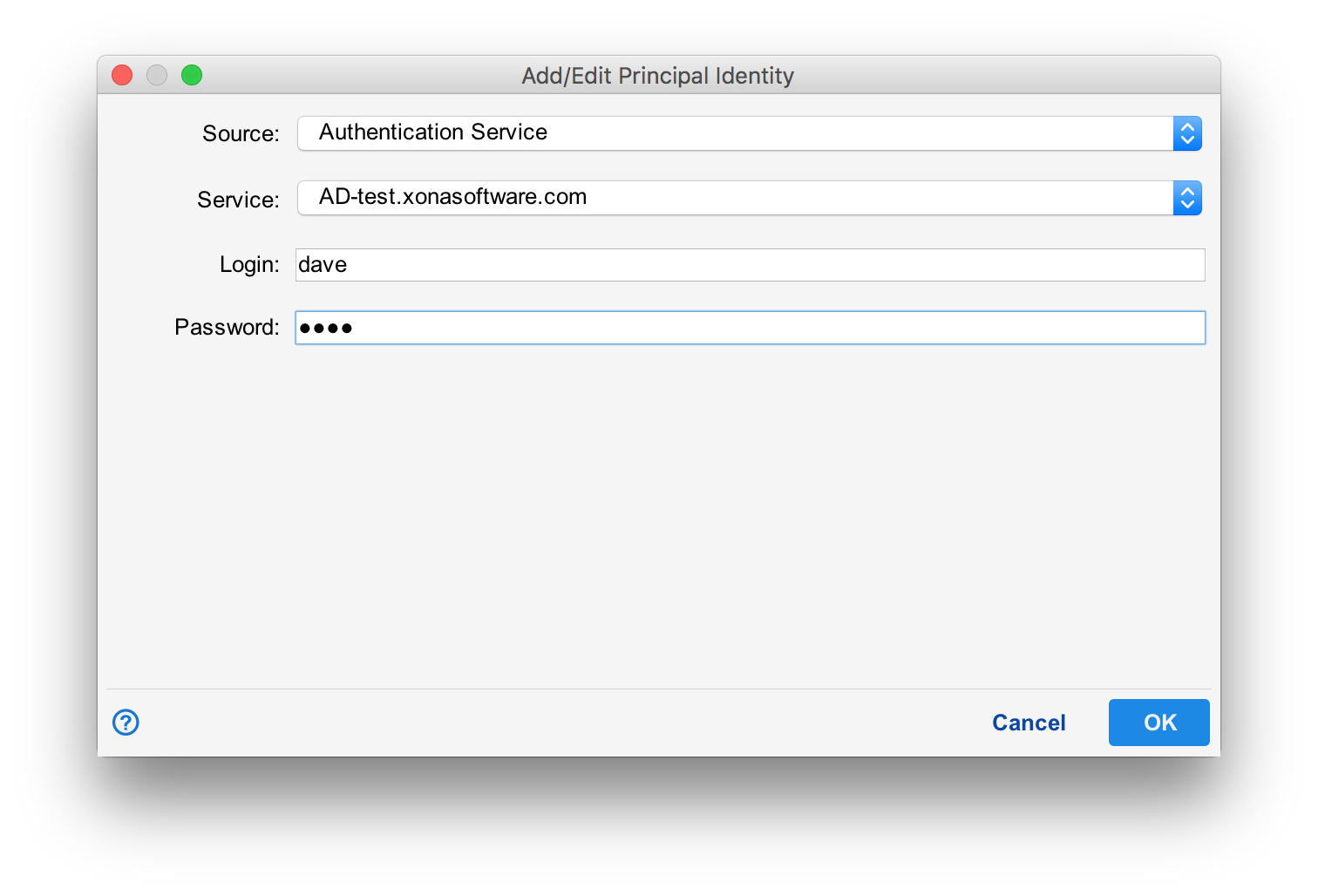
Authentication service identities are logins to authentication services known to Situate. Authentication service identities require a username and a password.
Asset Local
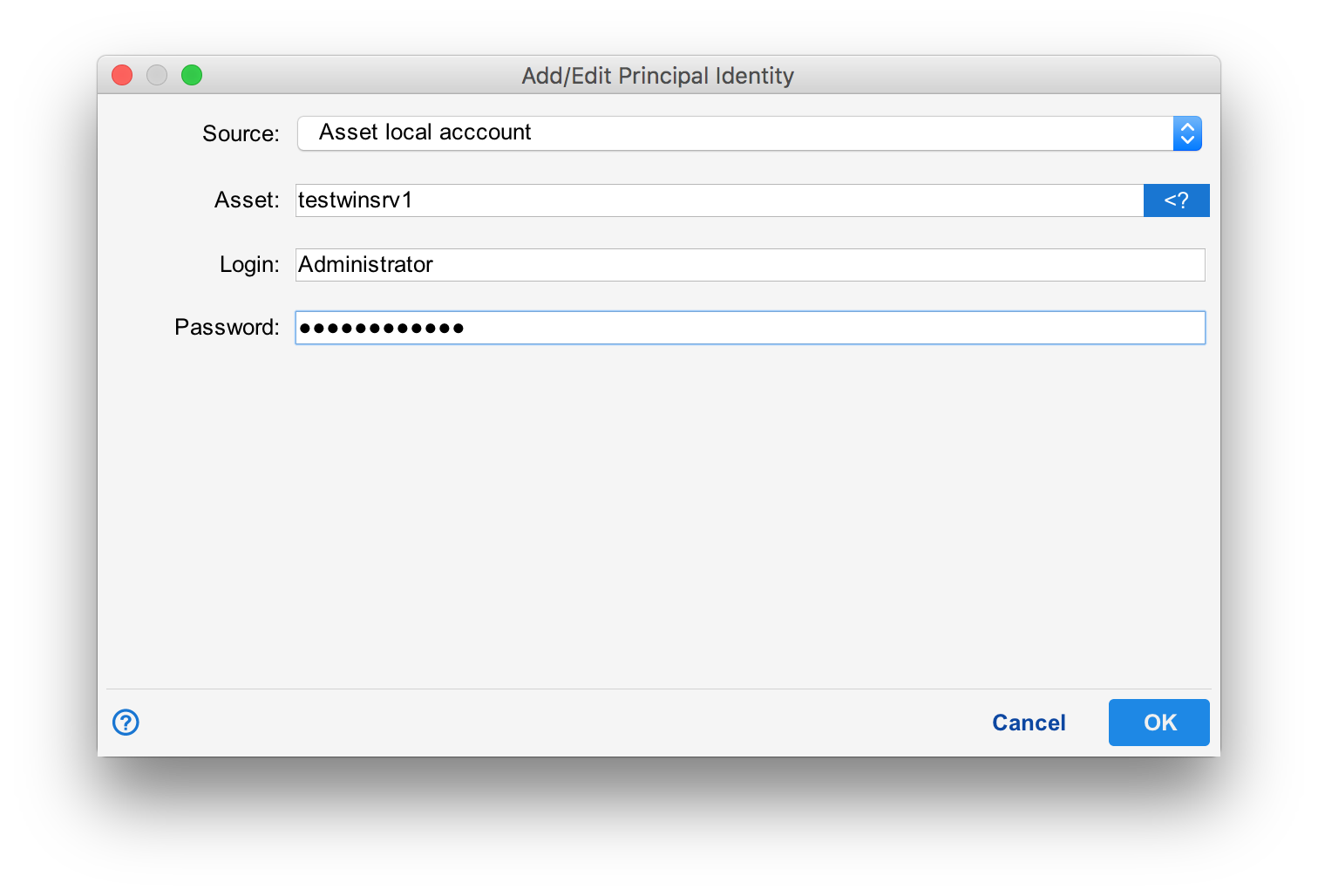
Asset local identities are a username and login on a specified asset to be used when interacting with the asset. Asset local identities require a username and a password.
Authentication Group
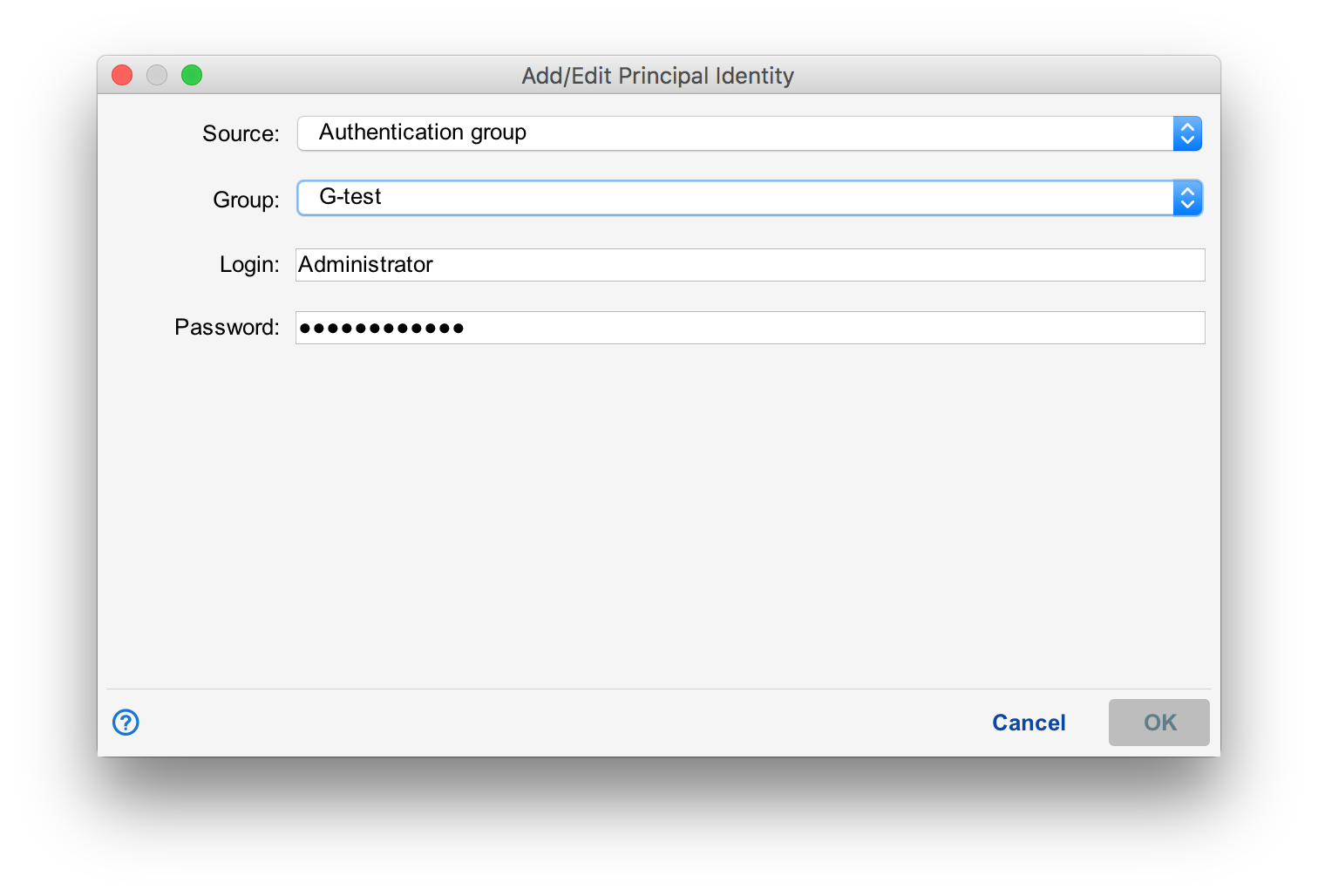
Authentication group identities are a login and password synchronized across a group of assets that is treated as an authentication service inside Situate. Authentication groups require a username and a password.
Endpoint Specific Account
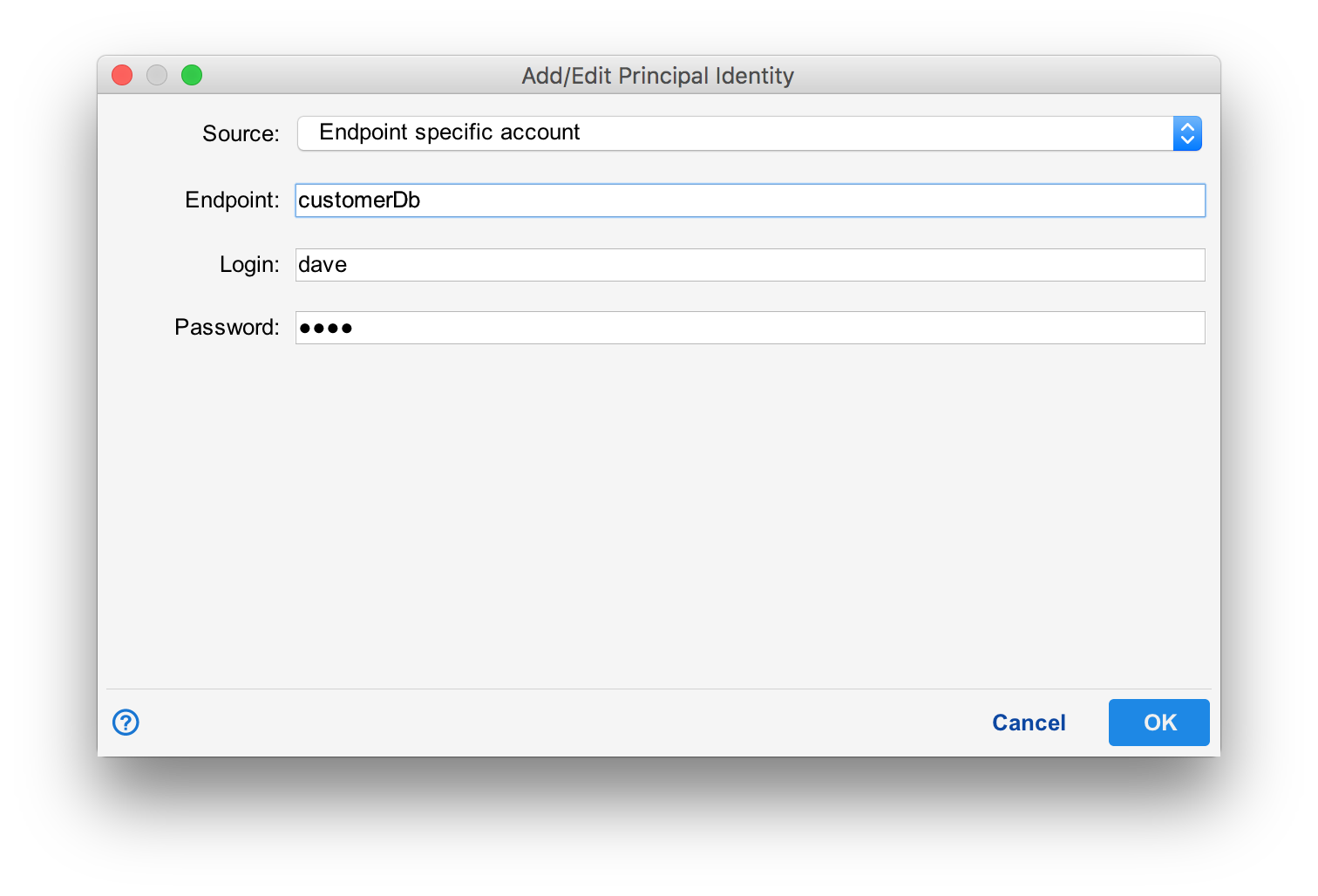
Endpoint specific accounts are usernames and passwords to use when interacting with a specific endpoint such as a database or an email server. Endpoint specific accounts require a username and a password.
API Key
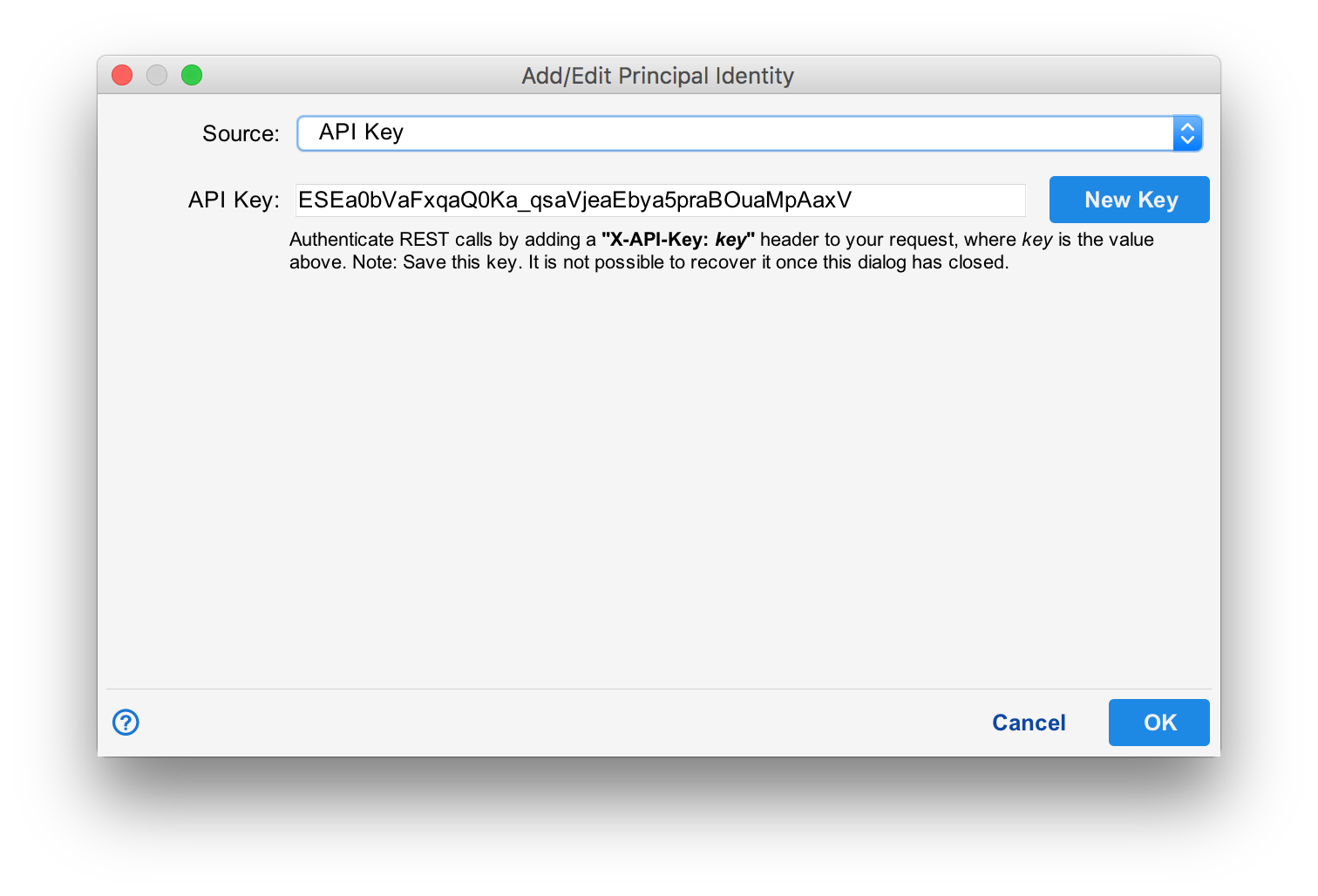
API keys are an identity which allows entities to talk to Situate via REST. In this case, Situate generates an API key to be set in the header as "X-API-Key: [key]". Once saved, the API key is no longer visible.